Surgical observerships · Japan & Korea

There's a quieter way into the best operating rooms.

Most Indian doctors default to the USMLE and PLAB mountain. I help residents find the side door — observerships in Japan and Korea, often with a surgical society paying the airfare.

No exams. No coaching industry. Just the route, written plainly.

Everybody talks about the exam route. Almost nobody tells you there's a door round the side — unlocked, badly advertised, and occasionally with someone else paying for the ticket.

The whole idea, in one sentence

Work with me

Four ways in, depending on how much you want done for you.

Start where you are. Each step does more of the work for you — from a guide you read alone to a six-week build where we do it together.

01 · Read it yourself

The Quiet Door

The field guide

Why Japan over the US/UK, how observerships actually work, the society funding nobody mentions, and a 12-month plan. ~30 pages, read it in an evening.

₹499
Get the guide
02 · Do it yourself

The Observership Database

The living map

The programmes that actually take international observers — with real contacts, who replies, what each is strong in, and the funding windows to track. Maintained, not a one-off list.

₹2,999
Get access
03 · I do it for you

Vetted Shortlist

Built around you

Tell me your specialty, timeline and goals. I hand back a tailored shortlist of programmes worth your time, with the contacts and funding windows that fit your plan.

₹4,999
Request a shortlist
Most hands-on 04 · We do it together

1:1, Done With You

Six weeks, start to confirmed

Everything above, plus we build it together: target list, the emails that get replies, your funding stack, and the application itself — to a confirmed observership and a funding plan.

₹11,999
Apply to work together

Readers of the guide get a discount on the 1:1 — code QUIETDOOR

About

I go to the rooms, and write down what's actually there.

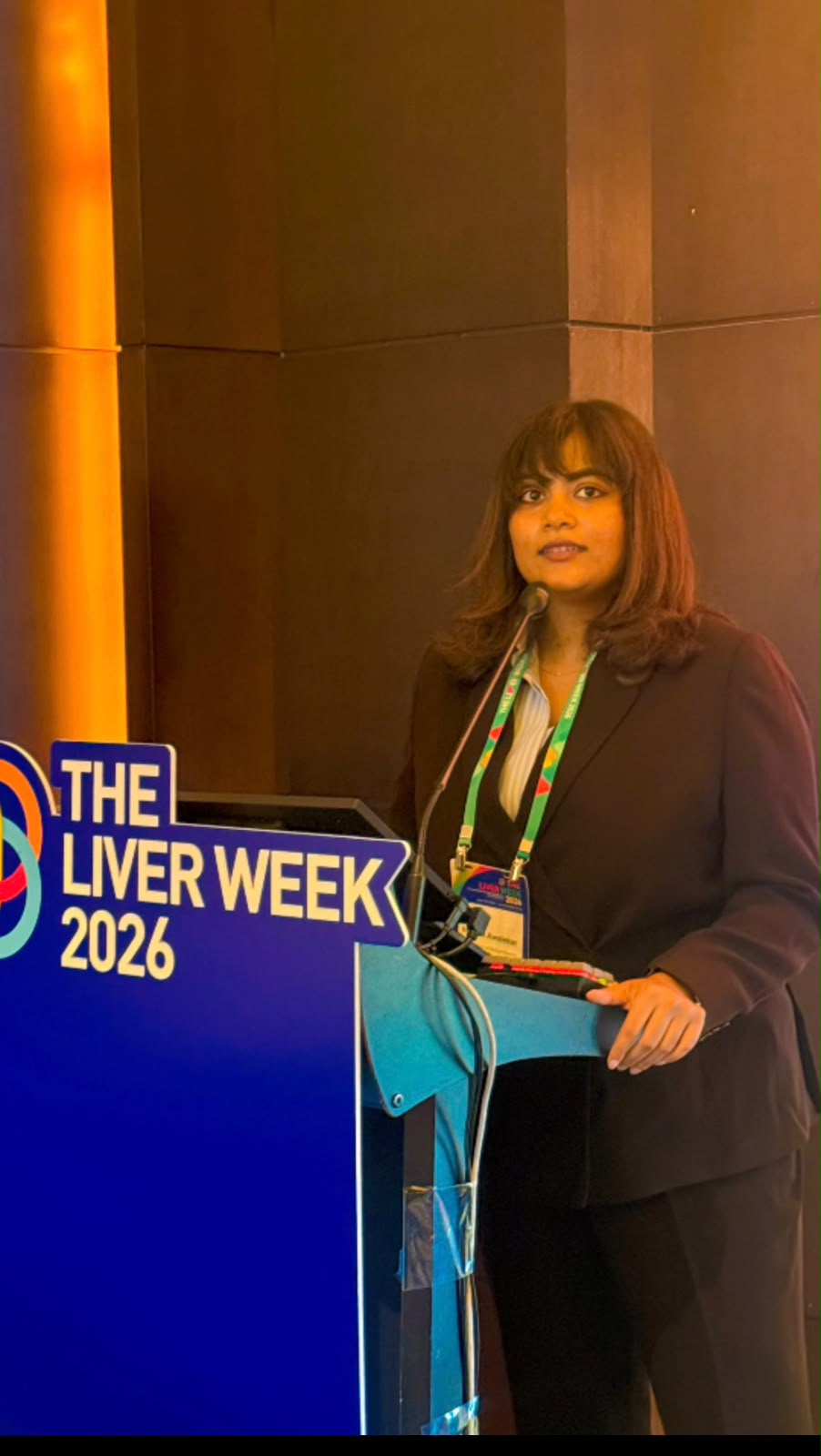
I'm a surgical gastroenterologist who travels to elite operating rooms across Japan and Korea — and reports back without the highlight reel. The loneliness, the etiquette, the funding, the growth. All of it, plainly.

I built this because the route I took was badly signposted and I had to learn it the slow way. You shouldn't have to.

MCh
Surgical Gastroenterology
Japan · Korea
Observerships & congresses
HPB
& Transplant focus
In their words

From residents who found the door.

"DEV: real testimonial from a validation-call client or early reader goes here."

— Name, Programme

"DEV: second testimonial — ideally one that mentions the funding or the confirmed observership."

— Name, Programme

"DEV: third testimonial — one about the clarity or time saved works well."

— Name, Programme
If you'd rather just follow along

The free stuff.

Four pillars — surgery, travel, research, and ethical AI. No wellness-speak, no hyperbole.

The dispatch

The occasional letter.

When there's something worth saying about getting into these rooms — and nothing when there isn't.

Before you ask

The honest answers.

Do I need fluent Japanese?

To observe, no. Many senior surgeons read and speak English, and the operative discussion is half-visual anyway. You need survival Japanese for daily life and courtesy — learnable before you go.

Is this only for HPB or transplant surgeons?

No. The route works across specialties — the guide and database cover examples from HPB to minimally invasive to bariatric. You find the equivalent society and unit for your field.

Will an observership help me emigrate?

It isn't, by itself, an immigration pathway — you observe rather than operate as primary. It's for training exposure, relationships, letters and a CV that doesn't look like everyone else's.

When in residency should I go?

Residency is the window, before responsibilities lock in. The guide gives a year-by-year plan and the lead times that catch everyone out.

Is the society funding actually real?

Yes — travel awards, registration waivers and university exchange funds exist. What's missing is the calendar of who opens applications and when. That's what the database and the consulting are for.